Josh Trank’s 2015 reboot of Fantastic Four, starring Miles Teller and Kate Mara, remains one of the most fascinating and misunderstood comic book movies of the modern era. While its commitment to a dark, grounded tone turned away traditional fans at release, looking back at it as a traditional sci-fi film reveals a lot to appreciate.
Fantastic Four (2015) Plot Overview: Friendship, Ambition, and Government Interference
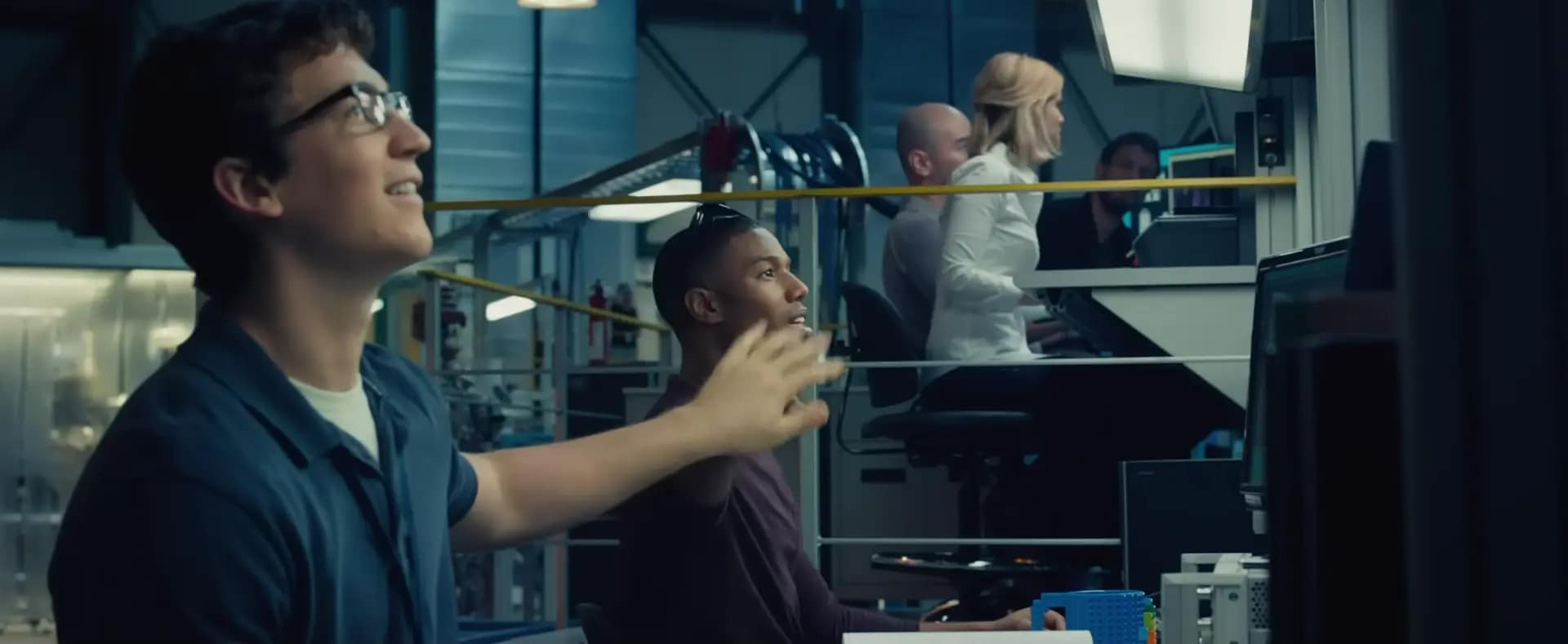
The film initially follows childhood friends Reed Richards and Ben Grimm who create a prototype teleporter. It eventually catches the attention of Professor Franklin Storm, who is the director of the Baxter Foundation, a government-funded research institute for young prodigies. As a result, they are invited to the foundation.
Reed, along with researcher and computer technician Victor Von Doom, and Storm’s children, scientist Sue Storm and her engineer brother, Johnny Storm, go on to build an inter-dimensional Quantum Gate. Successful in doing so, the group sends and brings back a chimpanzee to a parallel dimension called Planet Zero.
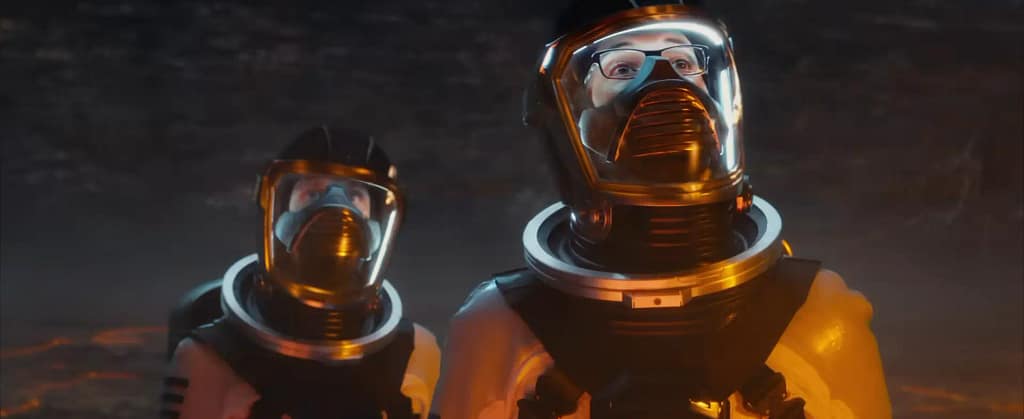
Denied the chance to officially travel there, Reed, Victor, Johnny, and Ben take an unsanctioned trip instead, where things take a wild turn. Just as Victor tries to touch the planet’s green lava-like substance, its surface begins to shake.
They all try to rush back, but Victor doesn’t make it. Sue initiates the pull-back from the lab on Earth, but the gate explodes – injuring all four and exposing them to the planet’s alien energy.
As you would expect, this incident grants them superhuman abilities. The rest of the movie follows how they struggle to process this terrifying body-horror transformation and how government interference forces them to become military weapons rather than heroes.
Josh Trank’s Direction: Why Fantastic Four (2015) Feels Different From Modern Marvel
When I look back at Fantastic Four, the first thing that comes to mind is how different it felt from most Marvel films. While there were a few moments that made you chuckle, the overall film was serious, intense, and dark. For instance, in most films where a superhero is born, it usually follows the pattern of discovering his power, making a few rookie mistakes, and then becoming a master of those.
Much like Josh Trank’s amazing work in “Chronicle” (2012), he doesn’t look at superhero powers as sunshine and rainbows. Instead, he focuses on the burden of those powers, the individual reactions to these transformations, and differing opinions about their future. For instance, when Reed wakes up after the accident, he is strapped to an emergency bed.
He isn’t terrified to wake up like that and is instead concerned about Ben. When he controls his muscles for the first time, he isn’t thrilled but instead just wants to meet his friend. Eventually, he sees Ben’s condition and promises to fix that before escaping the facility.
To me, his reaction was in line with what you expect from a kid who is terrified by his conditions, circumstances, and powers he doesn’t fully understand yet. That was a stroke of genius from Josh Trank, in my opinion, that brings an incredibly real and honest energy to the superhero genre.
Similarly, the scene at Planet Zero is incredibly done. It brilliantly captures the strangeness of the planet, its elements and what fate had in store for the travelers. It is among the more intense yet strangely creepy scenes you will encounter in this niche.
The only issue I found in the film was how rushed the story of Doctor Doom felt, and that’s understandable considering the well-publicized interference from the Studio.
And not to say that Doctor Doom wasn’t impactful. The villain was amazing, and the scene where he just walks in the corridor while killing people left and right via telekinesis was brilliant. The work is awesome, but if you look at it through the lens of the grand legacy of Doctor Doom in the Marvel lore, it doesn’t capture the magic comic readers expect.
Additionally, I thought Victor could have benefited from a different treatment. Before the accident, he is portrayed as a genius who doesn’t trust others easily but still works well when it’s needed. I believed it would have made a bigger impact if he was treated as an arrogant technician with a superiority complex.
In this case, the Fantastic Four name turned out to be a double-edged sword. On one hand, the name generated a significant buzz before release, even if it didn’t work out well in the end. But on the other hand, the expectations for the property hurt an otherwise solid film.
Visuals, Score, and Craft: The Hidden Strengths of Fantastic Four (2015)
As I mentioned before, the film features dialogue that made me chuckle. For instance, in one of the earlier scenes, a young Reed, while transporting a toy car, causes a blackout in his neighborhood. To this, Ben tells Reed that he’s “insane” and he responds with, “Thanks”.
Similarly, when their school professor sees them taking part in a science fair presumably years later, he goes, “Mr. Reed, should I alert the fire department?” For their work in this department, Jeremy Slater, Josh Trank, and Simon Kinberg deserve to be credited.
The film’s visual language is also way different from the typical superhero films. Much like Roman Osin’s work in “Mortal” (2020), cinematographer Matthew Jensen has used muted colors and a dark overall visual tone to great effect that makes you feel you’re watching a serious series of events unfold. Often, it feels like you’re watching a documentary and not a film.
And last, but not least, the music by Marco Beltrami and Philip Glass is another positive for the film. Their music isn’t something that redefines the genre, but it’s good. This wasn’t surprising to me since superhero films do usually feature a good background score.
Fantastic Four (2015) Cast & Performances: Miles Teller, Reg E. Cathey, and Toby Kebbell
When I watched this for the first time in 2015, my sole reason was Miles Teller, who I first discovered in the Divergent movie series. I thought this would be the project that launches him into stardom, but it wasn’t to be. Nevertheless, I felt that he did a good job, much like the rest of the cast. He displays a pure-hearted genius just as well as he plays the part of a guy toughened up by time and circumstances in the latter half.
Kate Mara, Michael B. Jordan, and Jamie Bell didn’t have a whole lot to sink their teeth into, but they did do a fair job with the material given. Toby Kebbell, on the other hand, got to display different sides to his character- from a guy who doesn’t trust people easily to someone who lets loose for a wild night with Miles and Jordan when they’re told they can’t go to Planet Zero.
However, the star of the show, in my opinion, was Reg E. Cathey. To be honest, this isn’t a film that will make you cry over a character’s state. It gets you curious and tense about a situation at times, but that’s about it.
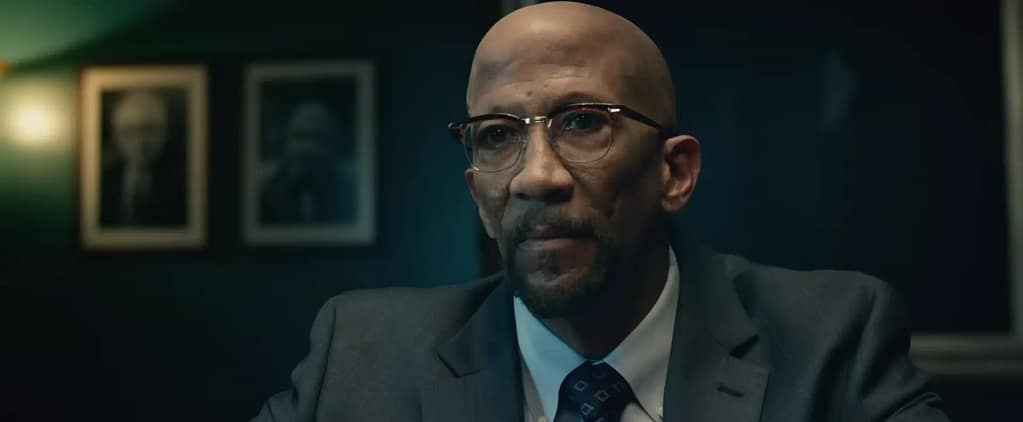
Nevertheless, I loved his performance as a professor who believes in young minds and as a professional dedicated to protecting his people. Ultimately, I was moved by his character’s death at the hands of Doctor Doom, though I wasn’t teary-eyed by any stretch.
Final Verdict: Is Fantastic Four (2015) Worth Watching?
I believe Fantastic Four is definitely worth watching, but only if you go in with the right expectations. Honestly, I had a pretty great time watching this, as I looked at it purely as a sci-fi story, free from any attachment to comic book lore, animated series, or film adaptations.
In my opinion, if you judge this film on its own merits, you’ll likely find plenty to enjoy. However, if you have a strong view about what a Fantastic Four “should” look and feel like, you’ll probably want to look elsewhere.
Leave a Reply