Directed by Gavin J. Konop and starring Warden Wayne and Sean Thomas Reid in the lead roles, Spider-Man Lotus is a beautifully crafted film, even if rough around the edges on occasion. While it is labelled as a superhero fan film, I believe the description doesn’t give you the complete picture. It’s a piece about guilt, loss, and moving on in life.
It isn’t your typical superhero film that follows the genre’s common formulas. It’s a film where most characters are dealing with demons of their own; Spider-Man just happens to fight and punch villains in the face as well. It’s a film about Peter Parker and less about the spectacle of being a superhero – and depending on who you ask, that’s the film’s greatest strength or weakness.
The Defiance of Independent Creation
If you’ve stumbled onto this piece and you’re wondering, “How come I have never heard of this, if it is this great?”, several factors are at play here. First and foremost, it is a crowd-funded fan film made on a budget of $125k. It received no financial backing from either Marvel or Sony, despite utilizing the same characters created by the former. Besides, the controversies that the film landed in pre-release didn’t help its cause either.
Spider-Man: Lotus Plot Overview: Dealing with Loss and Changing Dynamics
The film follows the lives of Peter Parker (Warden Wayne), Harry Osborn (Sean Thomas Reid), and Mary Jane Watson (Moriah Brooklyn), after the death of their friend, Gwen Stacy (Tuyen Powell). Peter is hit especially hard by her passing; she was his girlfriend, and he had been planning to propose to her.
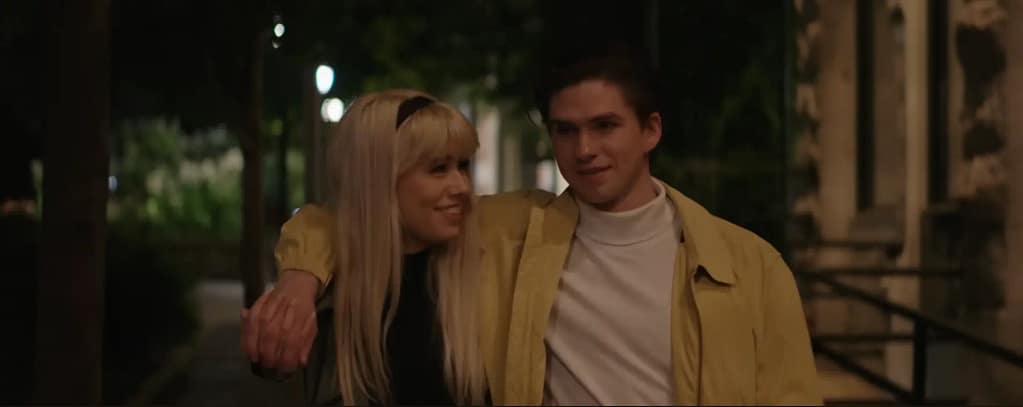
Besides this loss, Harry Osborn is dealing with the death of his father, Norman Osborn. Their lives and their friendship have been violently disrupted by these sudden departures. Spider-Man: Lotus essentially follows these characters as they process their emotions and try to get back on track.
As heartfelt as this film is, it functions best if you are deeply well-acquainted with the broader Spider-Man Lore. So, if you enter this viewing without any prior knowledge of these characters, the emotional weight won’t feel the same.
Spider-Man: Lotus Music and Artwork That Elevates the Experience Up a Notch
One of the film’s greatest strengths, if not the greatest, is the music by Caleb Liu and Gladius. Whether it’s the inspiring tune that plays in an early Spidey sequence or the strangely addictive track that pops up in Harry’s scene where he roams the city dejectedly, the music never fails to impress.
My favorite piece of work in this context is the cover of Radiohead’s “Exit Music (For a Film)” by Skeye, which plays over a stylized artwork and animated sequence detailing the characters and the tragic death of Gwen Stacy. It’s a highly recommended listen and an absolute standout of the project.
The creators of the artwork deserve a dedicated shout-out. It is not only a stunning piece of visual design but one that manages to explain a massive narrative with limited imagery. The sequence opens on the stark image of a Green Goblin bomb and also concludes with the Goblin’s death.
During the same stretch, they include the cast names with relevant visuals and Gwen’s unfortunate demise. It pretty much communicates the entire emotional weight of the story around Gwen’s death in a single sequence.
Spider-Man: Lotus Cinematography, Costumes, and Visual Effects: A Story of Highs and Lows
The film uses a heavily desaturated look that aligns perfectly with the film’s overall intention of telling a heavy story. It uses the black and white flashback scenes to an outstanding effect, putting further emphasis on the tragedy that continues to haunt Peter.
There’s a pivotal sequence where Peter watches old videos of his dates with Gwen and their friends. While some viewers might find those clips amateurish compared to the rest of the product, the execution is arguably brilliant. These are intended to be raw, hand-held recordings captured by teenagers – they shouldn’t look like polished cinema.
Nevertheless, the red eye removal effect shouldn’t have been there. That puts a needless blemish on an otherwise awesome visual execution. The broader execution of costumes and visual effects, however, is a story of distinct highs and lows.
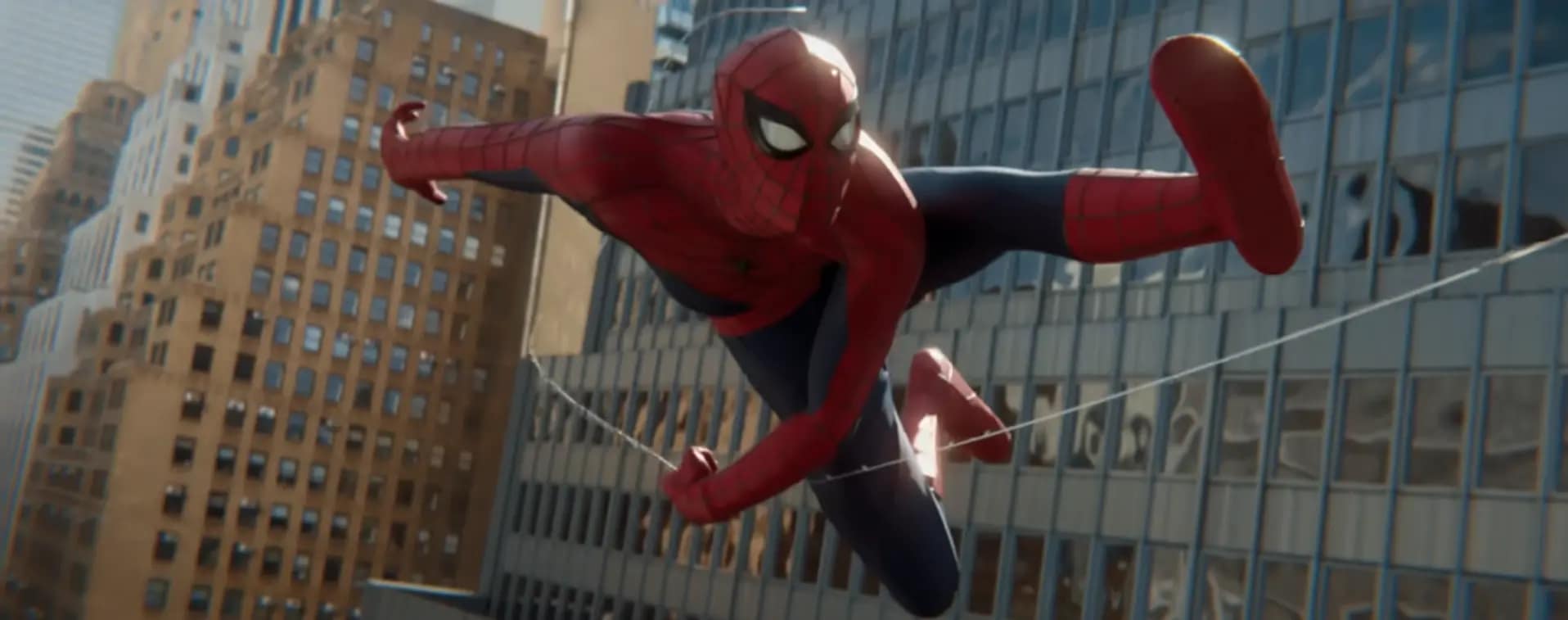
On the design front, Green Goblin’s costume is superb with an especially demonic headpiece, while Spidey’s suit is just as spectacular.
Conversely, Gwen Stacy’s look reminded me of Emma Stone’s portrayal of the character. That felt like a bit of a letdown, especially considering how distinct the rest of the cast appears. The Shocker’s costume similarly falls a bit flat, initially appearing somewhat under-cooked, though it admittedly becomes less distracting upon a second viewing.
The visual effects display the same inconsistency. The web-swinging scenes are breathtaking, which would easily rank among the best independent works you’ll ever see. Yet, this excellence is contrasted early on by an unpleasant car chase sequence that looks as though it belongs in a video game. Similarly, the fire in the fight between Spider-Man and Green Goblin seems a bit strange and artificial at times, which once again feels less strange upon a second watch.
Script and Direction: Unconventional Choices and Sticking to Your Guns
The film’s script, by Gavin J. Konop, is engaging, provided you understand and accept what you’re walking into. This isn’t a typical Spider-Man, which inserts character development in the middle with fight scenes at the start and the end. It’s a heavy story about loss, isolation, and the agonizing process of moving on. If you’re looking for a fun-filled Spidey adventure, you’ll be disappointed.
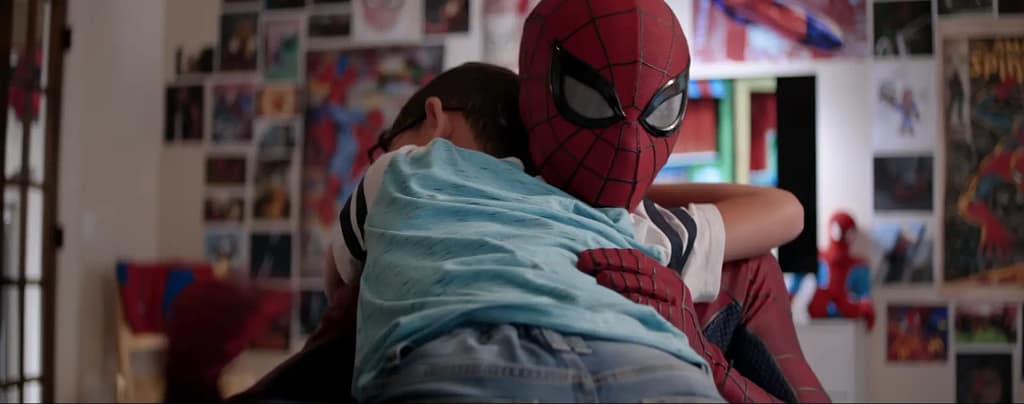
However, if you are fine with an unconventional Spider-Man film- a story that is more about Peter Parker, the writing delivers immense value. The script truly excels in heavier moments, especially when Peter interacts with a terminally ill kid who looks up to Spider-Man as a symbol of hope. It’s within these scenes that Peter discovers that the work of a superhero is way bigger than his personal sorrow, and that he cannot abandon his responsibility to the people.
Where the writing left its deepest impression on me was Peter’s constant aching wish for just one more conversation with Gwen after her passing. As someone who lost a loved one some time ago and battled similar emotions, that scene really resonated with me. It’s among the most painfully accurate portrayals of lingering loss, in my opinion.
As for the direction, Gavin J. Konop’s execution here is both solid and polarising. He has brilliantly captured the quiet, oppressive weight of Harry’s isolation. Additionally, I appreciate and love his courage to tell such a heavy story through a Spider-Man fan film. However, looking at the broader community reception and mainstream reviews, it’s clear this unconventional approach divided the audience.
Konop has used flashbacks and close-ups to great effect, using them to portray Peter’s guilt on screen. To that point, I believe if they had used the Shocker fight at the end, it would have fit the structure of a conventional Spidey film more and would have made more fans happy. Nevertheless, it’s solid work considering what they were aiming for.
Spider-Man Lotus Acting Performances: A Display of Determination, Recovery, and Addiction
While mainstream critics were generally cold towards the acting performances in Lotus here, my experience was a complete 180. Warden Wayne displays a wide range of emotions- navigating grief, volatile anger, and quiet determination with great care. Unsurprisingly, his strongest and most vulnerable moments, in my opinion, occur during his scenes with Gwen.
Speaking of Tuyen Powell’s portrayal of Gwen Stacy, she makes a profound impact despite her limited screen time. When I initially watched the film, her performance felt somewhat forgettable. However, upon a second viewing, I felt her performance was kind and heartfelt; exactly what it needed to be.
I found myself having a similar re-evaluation of Moriah Brooklyn’s Mary Jane Watson. Barring the slightly uneven cemetery sequence, everything felt genuine, especially her conversation with Flash Thompson. On that note, it was incredibly refreshing to see a kind Flash for a change, and Jack Wooton has totally delivered on that front.
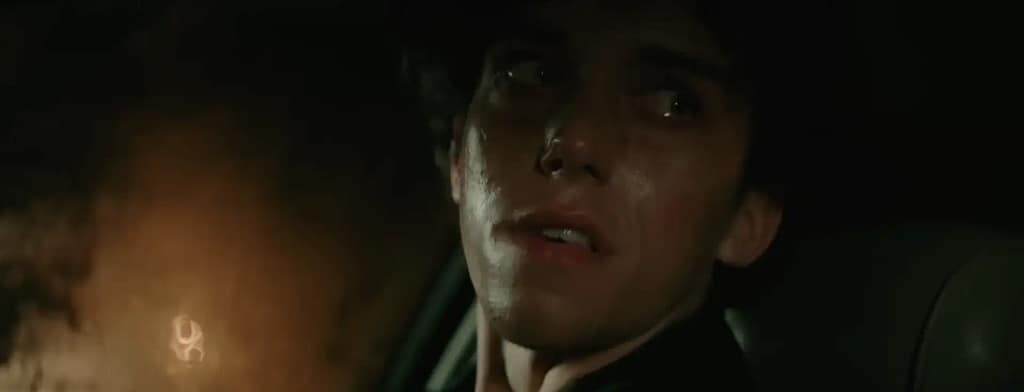
Yet, the undisputed highlight of the ensemble is Sean Thomas Reid’s performance as Harry Osborn. It was the scene where he roams the city aimlessly that really pulled me into his orbit. He began his arc as a kind teenager who eventually got isolated and addicted, but found his way back. Had things worked out for everyone involved, I would have loved to see his descent from an isolated soul to an unhinged madman as Green Goblin.
Final Verdict: Is Spider-Man: Lotus (2023) Worth Watching?
Spider-Man: Lotus is by no means a perfect film by any means; the background work of extras, visual effects, and overall costume design remain visibly uneven throughout. Furthermore, it’s an inherent drama that just happens to take place in the Spider-Man mythos.
However, if you are comfortable with an unconventional narrative that fearlessly tackles the themes of emotional loss and recovery, it ultimately offers a deeply rewarding experience. Lotus is a soulful project built by a highly passionate creative team that cared deeply about these characters, enough to put it in front of the world despite all the hurdles.
If you’re curious to experience the film for yourself, Spider-Man: Lotus is available to watch for free on YouTube. You can click here to stream the full feature.
Leave a Reply